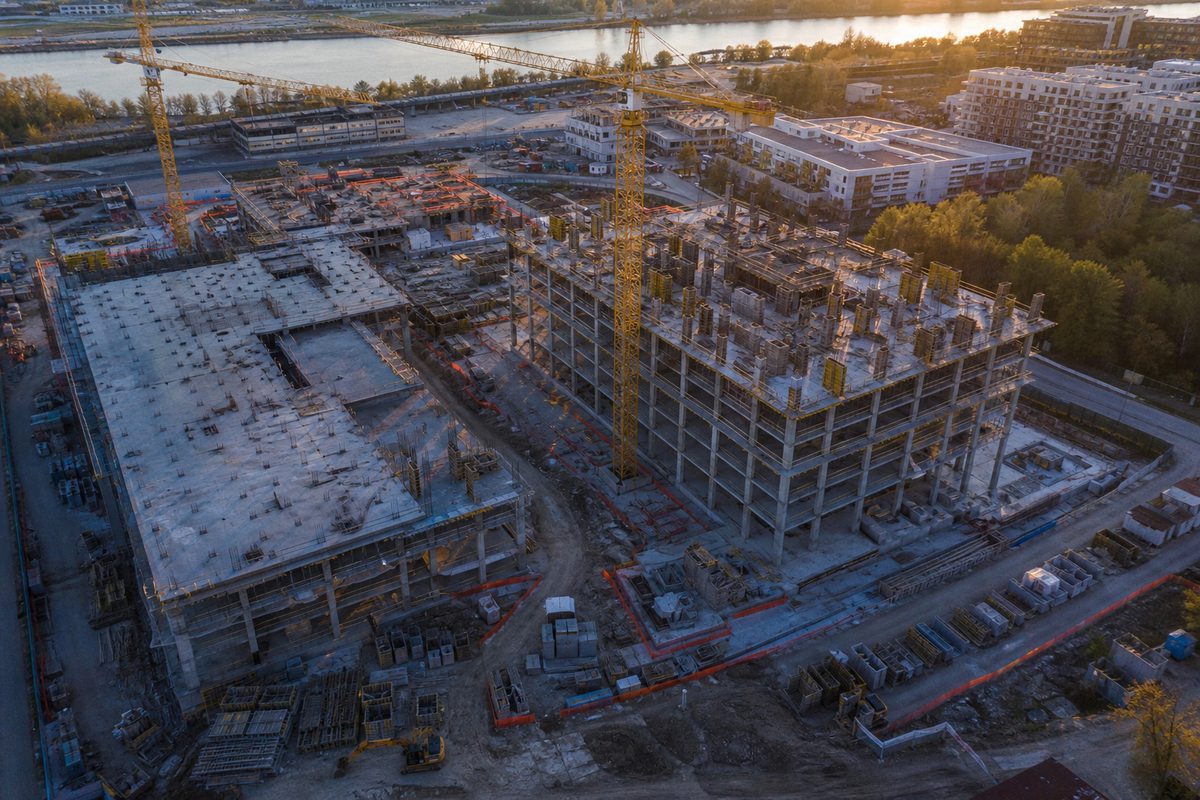
Construction
- Drone progress tracking
- Site volumetric analysis
- Safety compliance audits
 EcoRights

Certification in Autonomous Robotics & AI
Autonomous quadruped robots engineered for inspection, security, industrial operations, and challenging environments.
INTELLIGENCE ABOVE. IMPACT BELOW.
Expanding environmental protection to places where conventional cleaning is difficult, dangerous, or impossible.
We aim to expand our environmental solutions across a wider range of water bodies — from rivers, lakes, and ponds to seas and, in the future, oceans.
Our goal is to support cleaner aquatic ecosystems by addressing waste and pollution in locations that are challenging to access through conventional methods.
Explore Our Vision →Our future initiatives will extend toward difficult terrains and natural landscapes where traditional cleaning operations are limited.
Learn More →No place should remain polluted simply because it is difficult to reach. We are working toward a future where technology and innovation can help clean and protect even the most challenging environments.
Have you found a difficult-to-access polluted location?
📞Industries
Helping enterprises improve efficiency, safety and operational intelligence.
Solutions
From industrial inspection to autonomous surveillance, EcoRights robotic dogs combine mobility, AI, and advanced sensing to perform missions in environments where traditional systems—and sometimes humans—cannot.
The robotic dog can autonomously patrol factories, plants, warehouses, and industrial facilities.
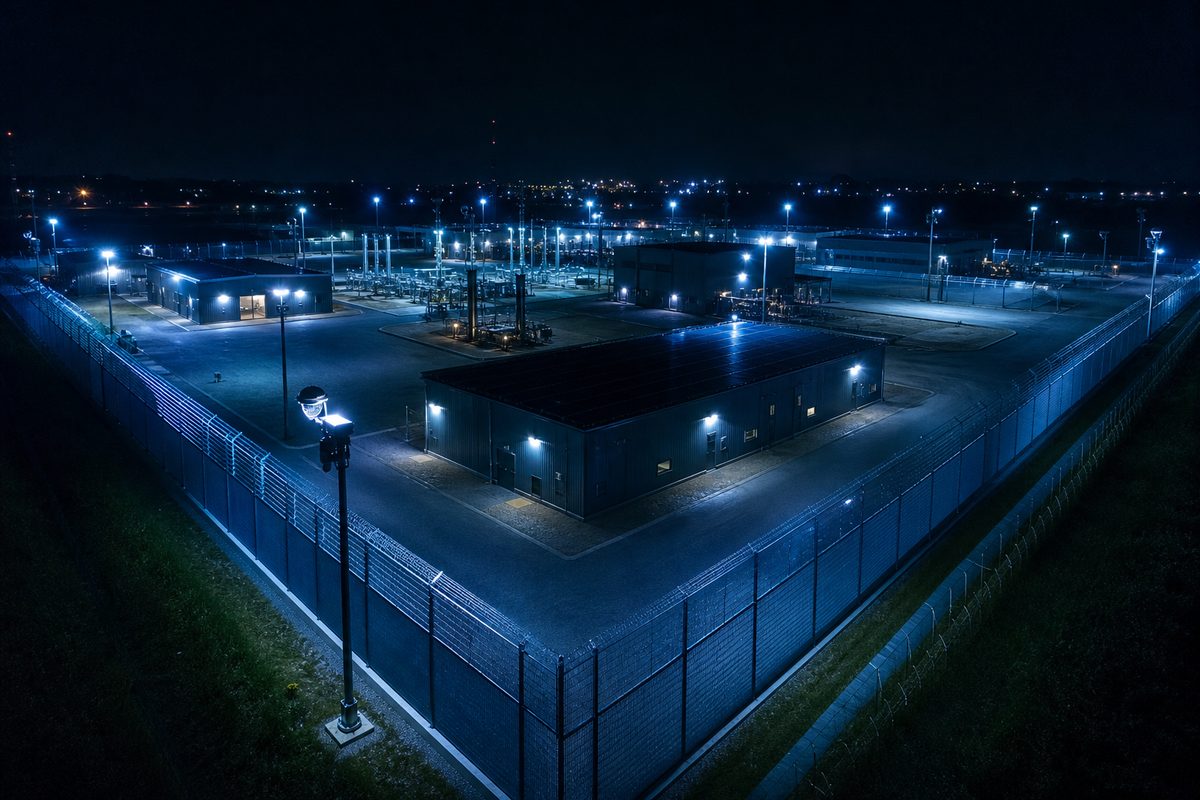
Learn More →The robot can act as a mobile security platform, continuously monitoring large or difficult-to-access areas.
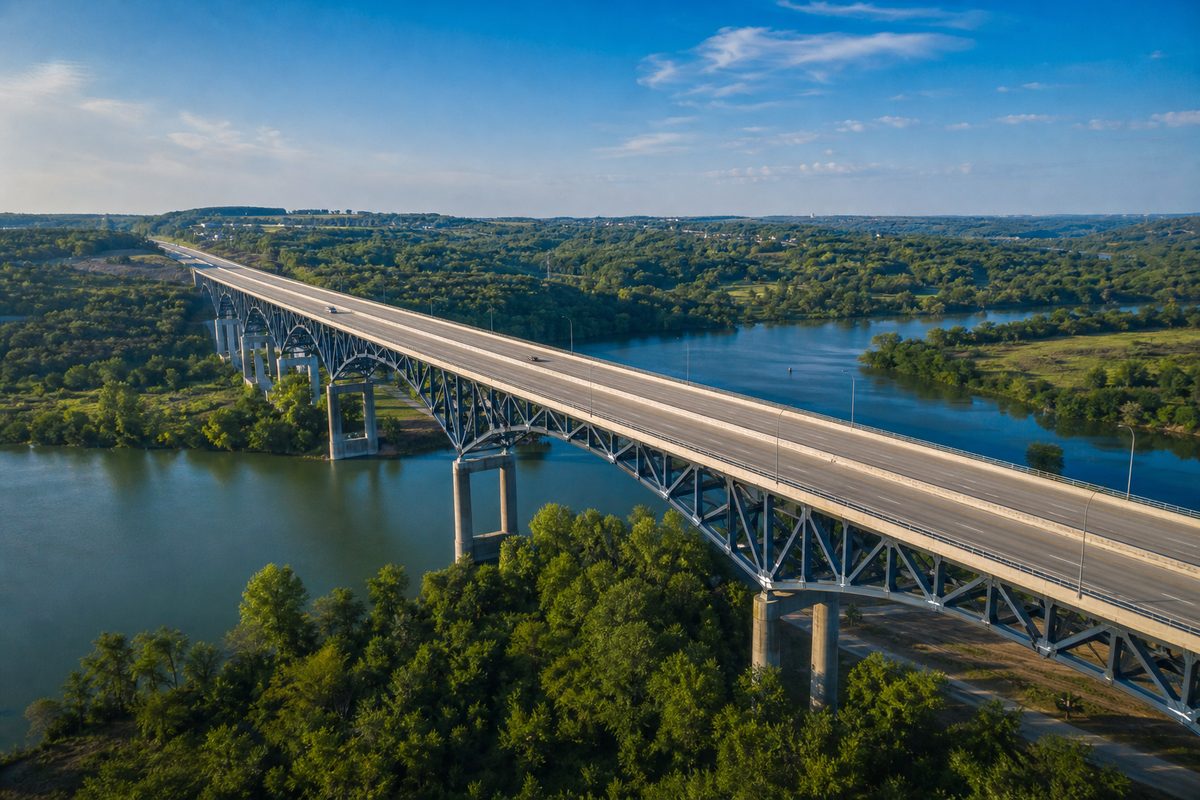
Learn More →The robotic dog can inspect infrastructure such as bridges, tunnels, construction sites, utilities, and other facilities.
Learn More →A quadruped robot can be useful in environments that may be unsafe or inaccessible for rescue personnel.
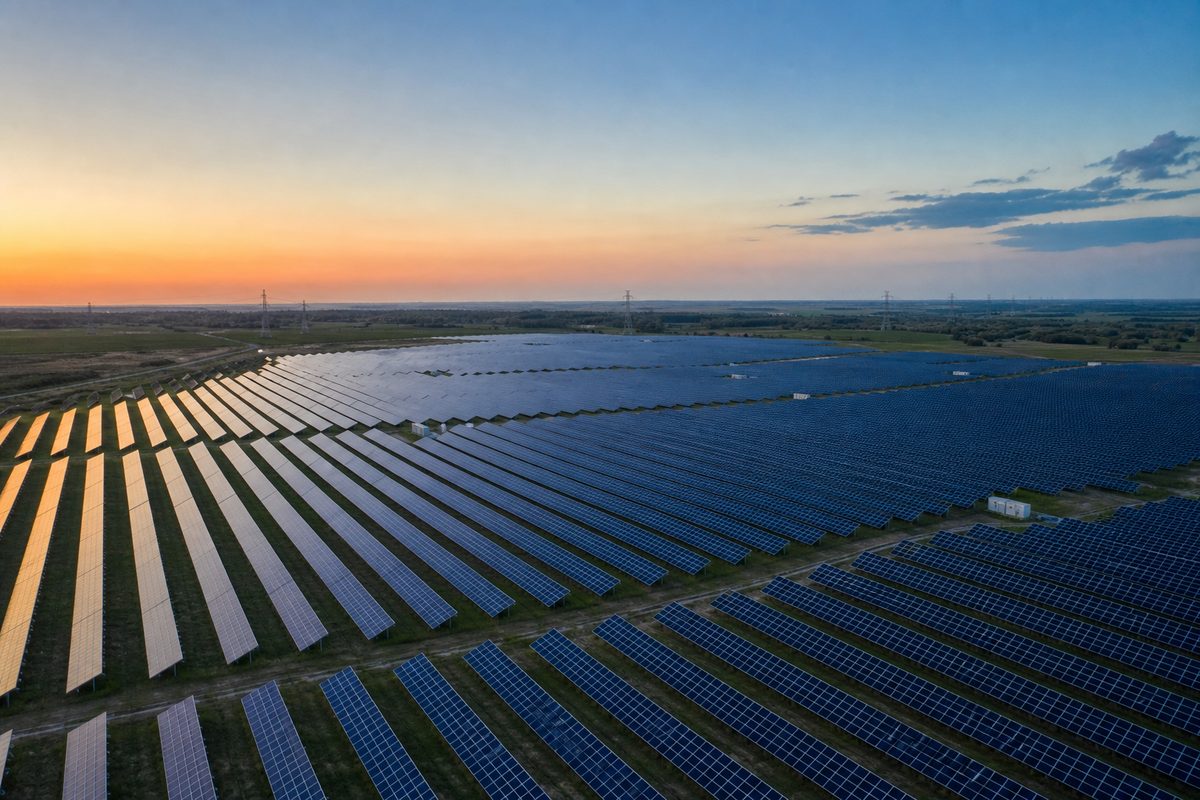
Learn More →The robot can be equipped with specialized sensors to monitor environments where exposure may be dangerous.
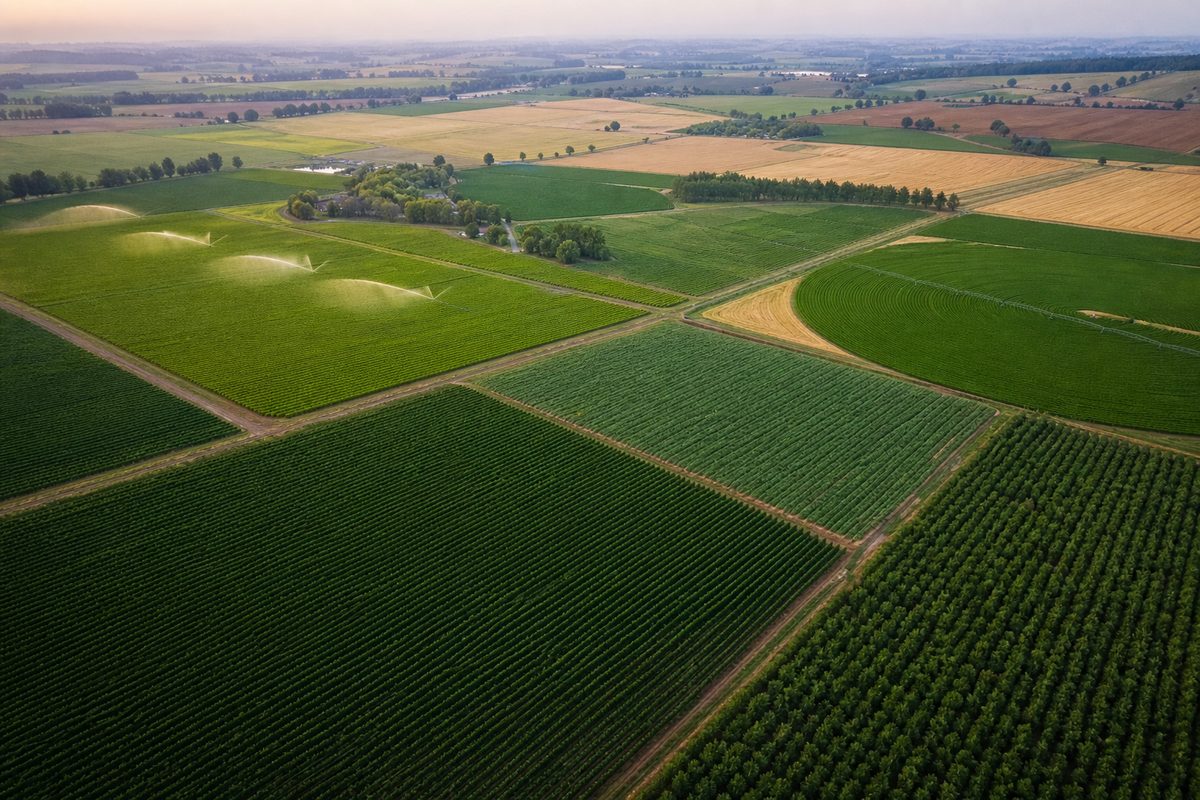
Learn More →The collected information can then be analyzed to identify abnormalities and support maintenance or operational decisions.
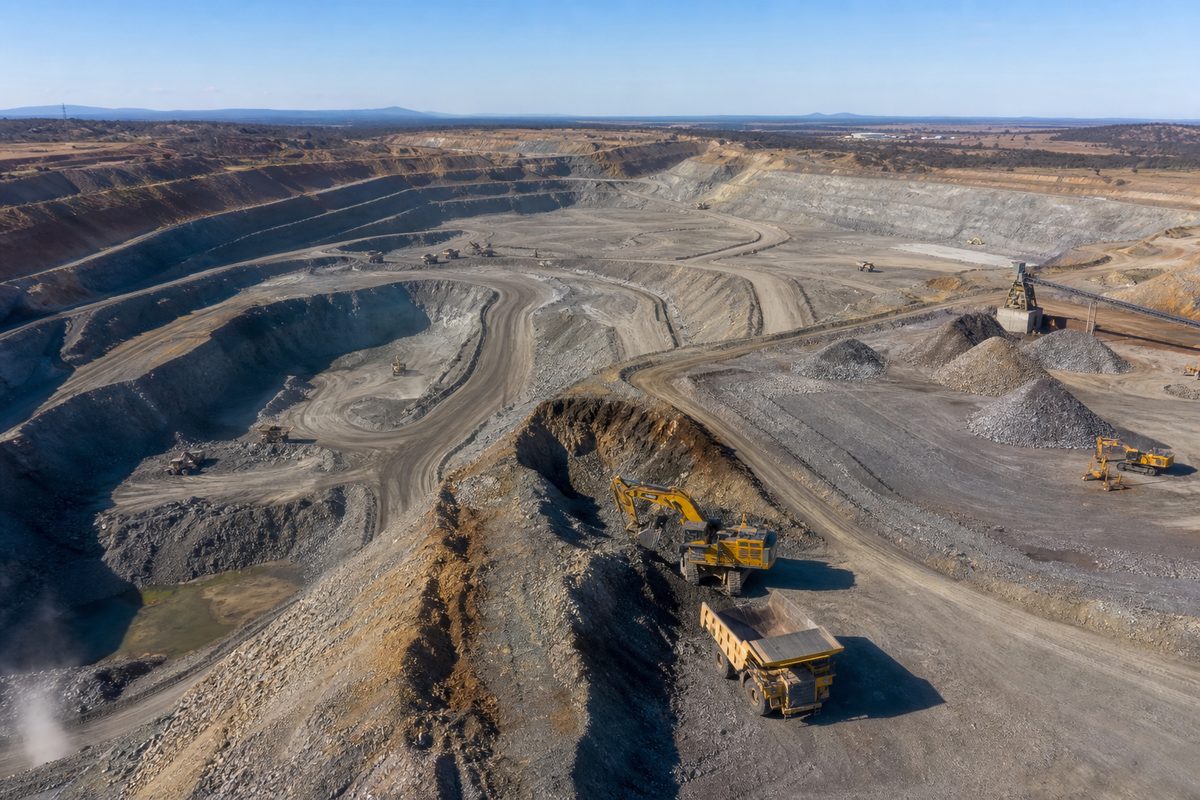
Learn More →Use the robotic dog to continuously monitor construction sites, track progress, and inspect areas that may be difficult or unsafe for workers to access.
Learn More →Allow operators to control and monitor the robotic dog remotely, making it possible to perform missions from a safe or centralized location.
Learn More →Technology
An integrated intelligence stack — from onboard perception to enterprise reporting.
AI helps the robotic dog understand its surroundings and make smart decisions.
The robot can move and find its way without constant human control.
Sensors help the robot detect objects, people, walls, and obstacles around it.
The robot can detect obstacles and change its path to avoid them.
Operators can see live video and sensor information while the robot is working.
Humans can control and operate the robot from a safe distance when needed.
How It Works
Cameras and sensors scan the surroundings to understand objects, people, terrain, and obstacles.
AI processes the collected information and identifies what is happening around the robot.
The robot calculates a safe and efficient route to reach its destination or complete its task.
Smart motors and control systems coordinate the legs, allowing the robot to walk, climb, turn, and maintain balance.
The robotic dog carries out tasks such as inspection, monitoring, surveillance, or data collection.
The robot sends images, videos, sensor readings, and mission data to the operator for monitoring and analysis.
FAQ
The robotic dog can perform inspections, surveillance, monitoring, data collection, environmental sensing, and other customized robotic missions.
Depending on the configuration, it can use cameras, LiDAR, depth sensors, thermal cameras, and other specialized sensors for navigation and inspection.
It uses AI, cameras, sensors, and advanced motors to understand its environment, navigate safely, and perform assigned tasks.
It can operate autonomously for predefined missions, while an operator can take control whenever required.
Yes. The robotic dog can be designed to operate in both indoor facilities and outdoor environments.
Safety systems, sensors, and controlled movement help the robot operate responsibly around people and obstacles.
Manufacturing, construction, energy, security, infrastructure, logistics, emergency response, and many other industries can benefit.
Contact
Reach our enterprise team directly — we respond within one business day.